What to Expect During an Electrical Wiring Installation for New Construction in Lincoln, NE
Electrical wiring installation for new construction in Lincoln, NE, is a multi-phase process that every builder and property owner should understand before work begins. Knowing what to expect at each stage helps you plan more effectively, avoid costly surprises, and ensure the finished system is safe and code-compliant.
The Phases of New Construction Electrical Wiring Installation
New construction wiring typically happens in three main phases. Each must be completed and inspected before the next begins.
Phase 1: Rough-In Wiring
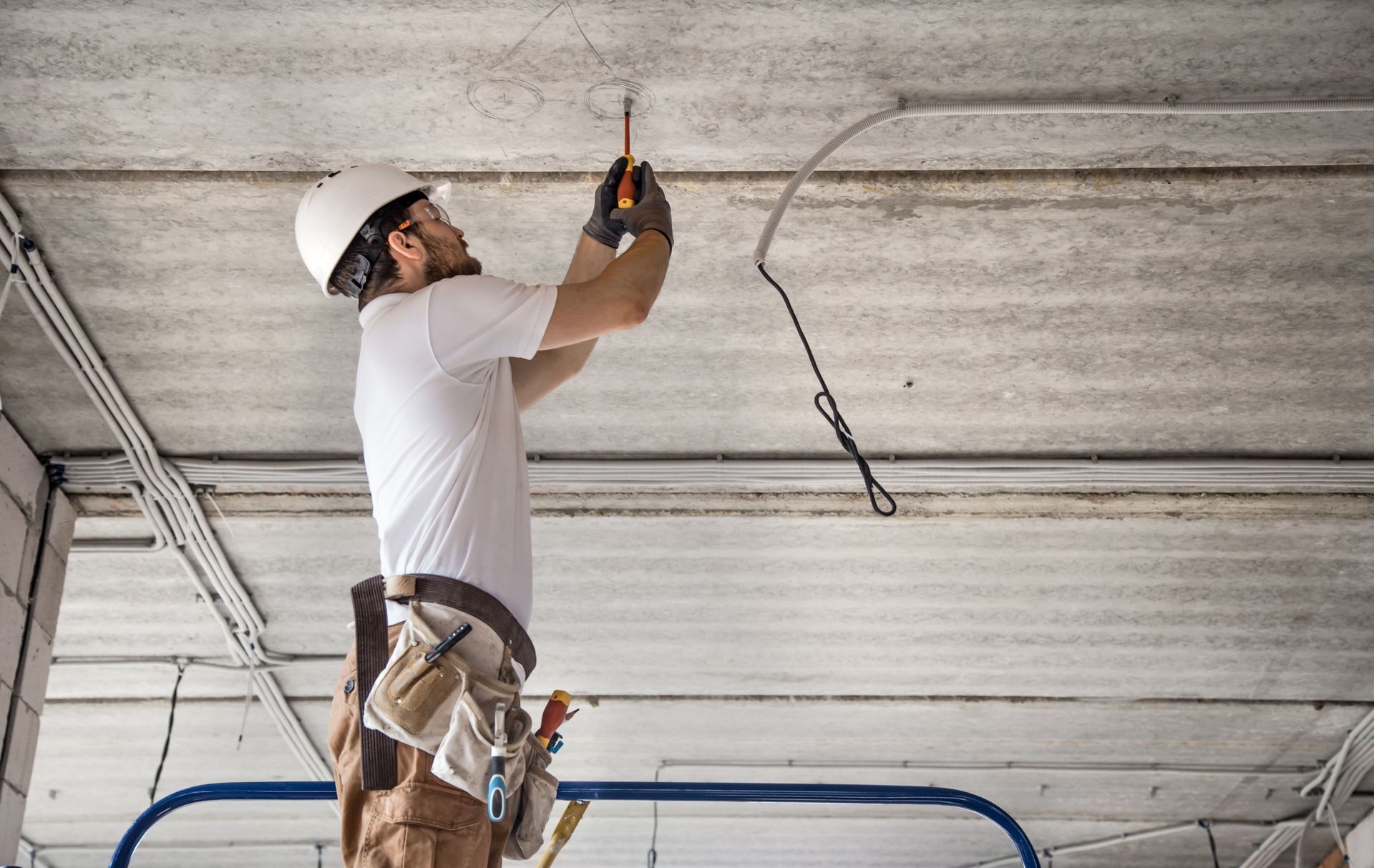
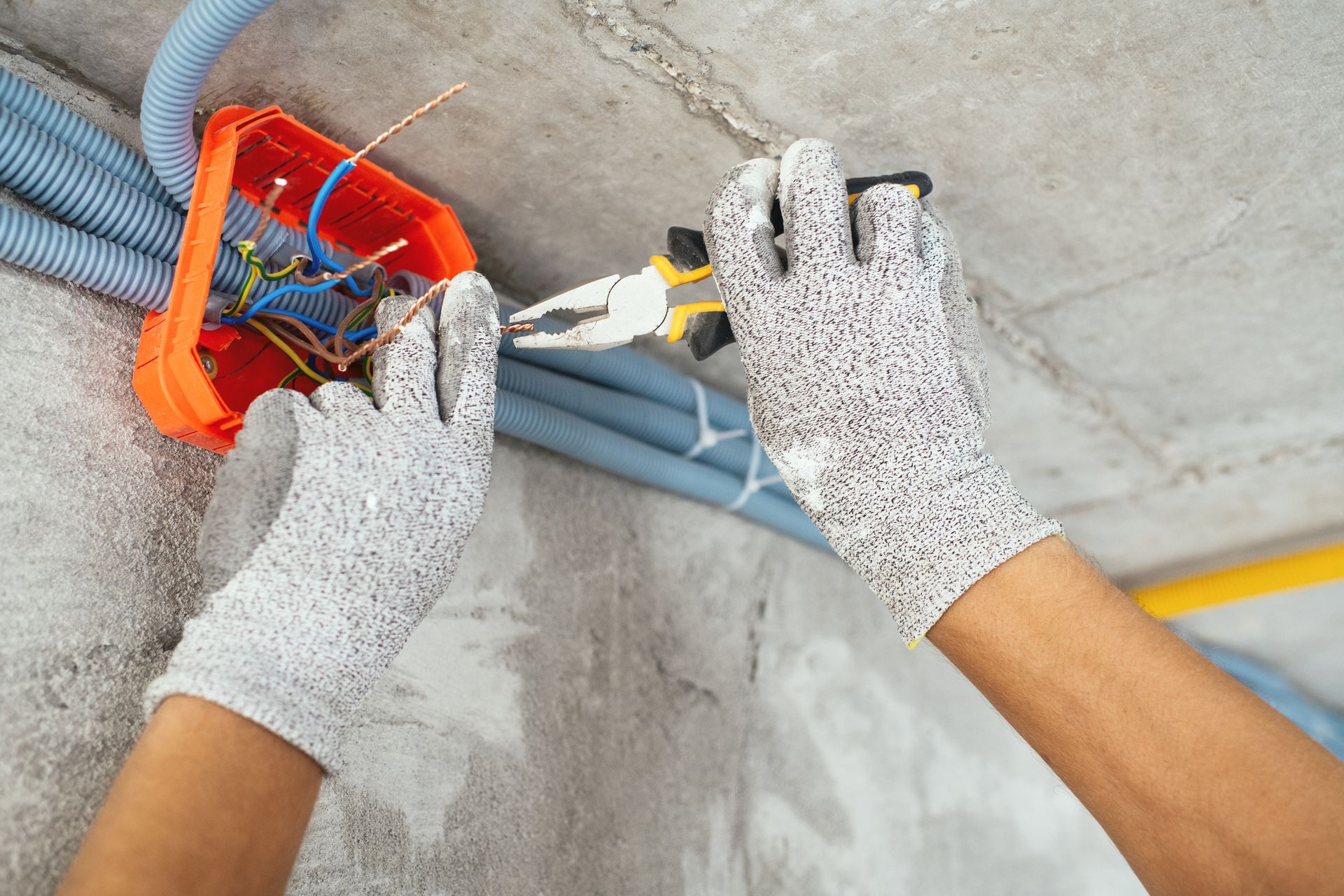
Rough-in is the first stage. Electricians run conduit, pull wire through wall cavities, and position electrical boxes before walls are closed. This is when the layout of every outlet, switch, and fixture is established. Getting this phase right is critical because changes after drywall goes up are expensive and time-consuming.
Phase 2: Panel Installation and Circuits
Once rough-in is complete, the electrical panel is mounted and circuits are labeled and connected. Panel size and circuit count depend on the building size and planned electrical load. New construction projects in Lincoln must meet Nebraska's adopted electrical codes, so a licensed contractor will plan capacity accordingly.
Phase 3: Trim-Out and Final Connections
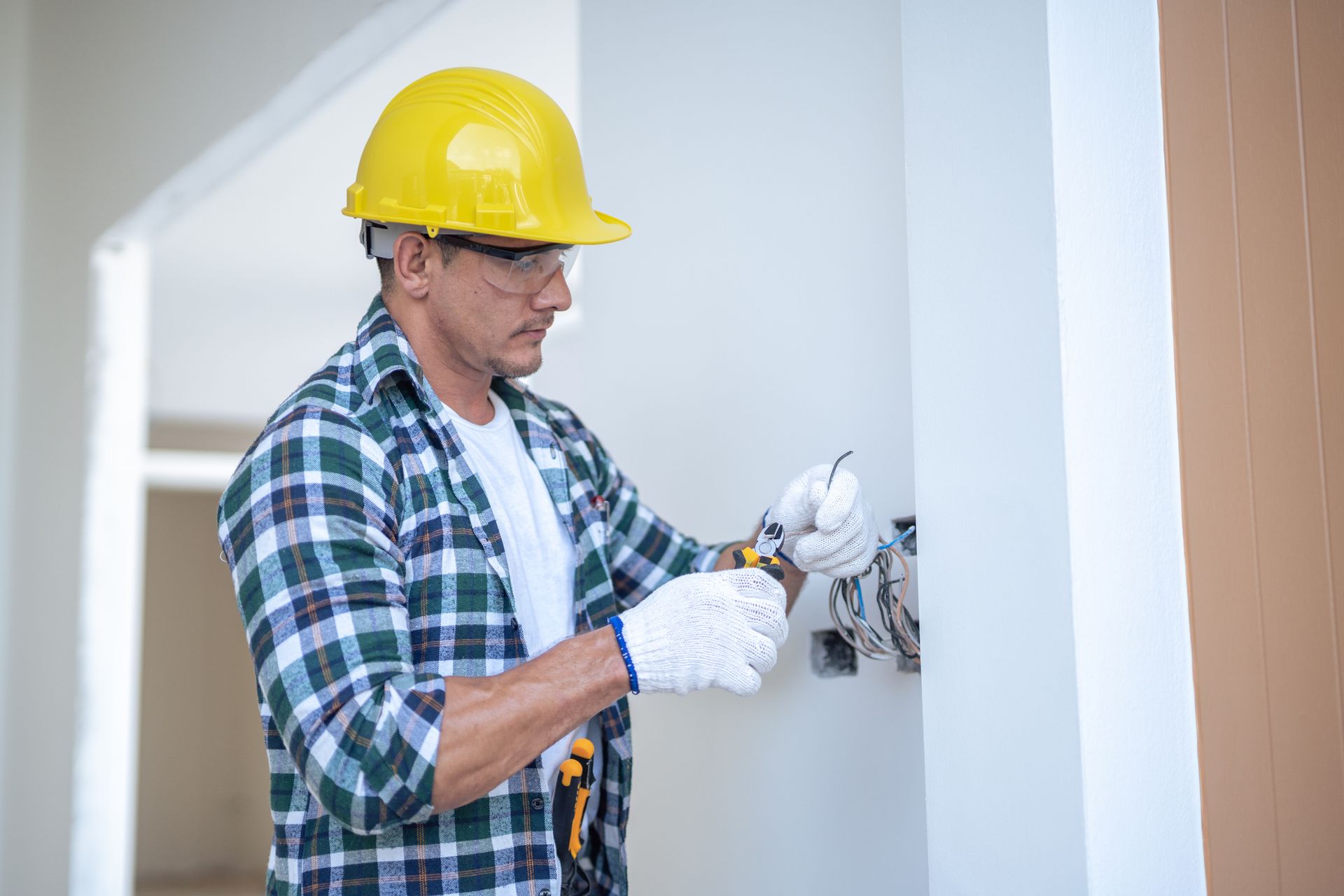
After walls are finished, electricians return for trim-out. Outlets, switches, fixtures, and cover plates are installed and connected. Final testing confirms that every circuit performs safely before the building passes inspection.
What Inspections Are Required During the Process?
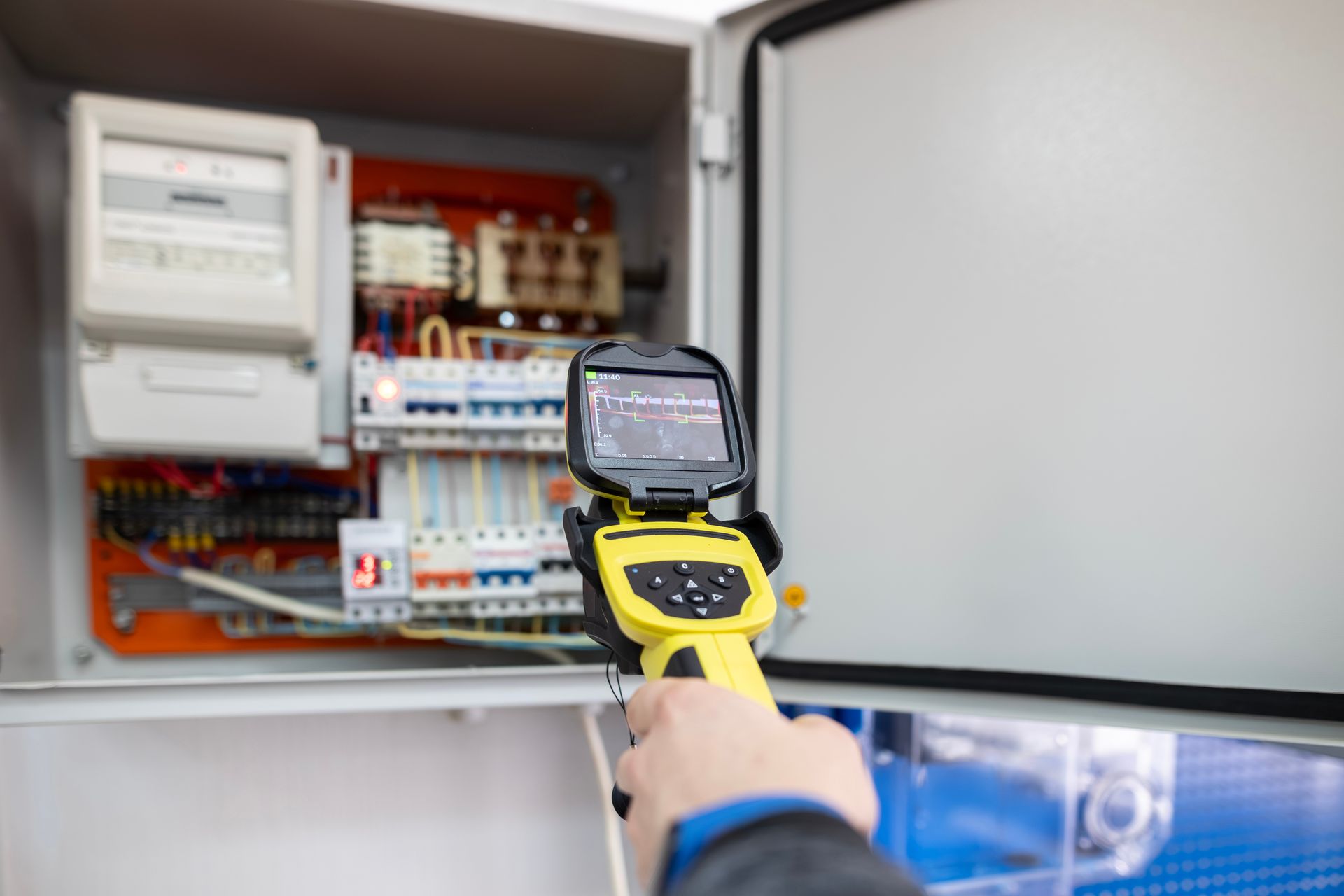
Inspections are required at key checkpoints, not just at the end. A rough-in inspection typically occurs after wiring is run but before walls are closed, letting the inspector verify wire sizing, box placement, and grounding methods. A final inspection happens once trim-out is complete and the panel is energized. Skipping or rushing these steps can result in failed inspections and project delays.
Special Considerations for Industrial Projects
Industrial electrical wiring installation adds complexity beyond residential or commercial new construction. Facilities in Lincoln may require three-phase power, heavy-gauge conduit runs, motor control wiring, and coordination with local utilities for service entrance requirements. Load calculations are more detailed, and the number of inspections may increase depending on scope. Working with a contractor experienced in this environment keeps projects on schedule and within budget. Learn more on the industrial
electrical services page.
How Long Does New Construction Wiring Take?
The timeline varies by building size and complexity. A single-family home may take a few days per phase, while a commercial or industrial facility can take several weeks. Coordination with other trades, such as HVAC and plumbing, also affects scheduling. Planning early and communicating clearly with your contractor can reduce delays.
Key Questions to Ask Your Electrical Contractor
Before work begins, clarify these points with your contractor:
▸ Who is responsible for pulling permits and scheduling inspections?
▸ How is panel sizing handled, and is there room for future expansion?
▸ How does the contractor coordinate with other trades on site?
▸ What triggers the start of each phase, and what is the expected timeline?
Get Expert Help With Your New Construction Project in Lincoln, NE
Electrical wiring installation benefits from a contractor who knows local code requirements and has experience across commercial and industrial projects. ABC Electric Company Inc provides electrical wiring installation services in Lincoln, NE, and throughout southeast Nebraska. To discuss your project or request a consultation,
contact the team or call
(402) 435-3514 today. You can also find
ABC Electric on Google Maps.