Electrical Contractor: Commercial vs. Industrial Differences
Are you searching for an electrical contractor in Lincoln, NE, but aren’t sure whether you need commercial or industrial services? At ABC Electric, we know it can be confusing to tell the difference. This article explains what sets these two kinds of electrical contractor work apart so you can make the right choice for your project.
What Does an Electrical Contractor Do?
A professional is trained to install, maintain, and repair electrical systems in all kinds of buildings. Whether you own a retail store, manage a school, operate a factory, or run a warehouse, this expert can help keep your building safe and your machinery running smoothly. Their role is essential for both daily operations and maintaining important safety standards.
When choosing between commercial electrical services in Lincoln, NE, and industrial jobs, it’s important to know that the types of buildings, wiring, and equipment involved can be very different. Selecting the right expert for your specific needs helps ensure your project is completed safely, stays on schedule, and fits your budget.
Commercial Electrical Services: Everyday Businesses
Many people think of restaurants, office buildings, or shopping malls when they hear “commercial.” These places depend on electrical systems for lighting, computers, climate control, and security. An electrical contractor handles tasks like wiring offices, setting up backup generators, and fixing outlets.
Commercial electrical services in Lincoln, NE, focus on public spaces and buildings where many people work or visit. The main goals are safety, efficiency, and making sure the business can keep going with no interruptions.
Industrial Electrical Services: Heavy Duty Needs
Industrial electrical services in Lincoln, NE, are very different because they deal with factories, manufacturing plants, and large-scale production facilities. An electrical contractor in this field must be prepared to work with powerful machines, high-voltage systems, and strict safety regulations that protect both workers and equipment. Industrial jobs often involve custom layouts, heavy machinery, and specialized controls that require extensive knowledge and training.
The wiring and equipment in industrial buildings are much more complex and demand unique skills to install and maintain safely. Industrial electrical services focus on making sure machines, assembly lines, and automation systems can run 24/7 with as little downtime as possible. Contractors must ensure that everything is completed up to tough safety codes and industry standards to prevent accidents and keep production running smoothly.
Key Differences: Commercial vs. Industrial Electrical Contractors
Below is a quick comparison list to help you see how these two types of electrical contractor work differ:
- Project Complexity:
- Commercial: Handles lighting, office systems, and car charging stations.
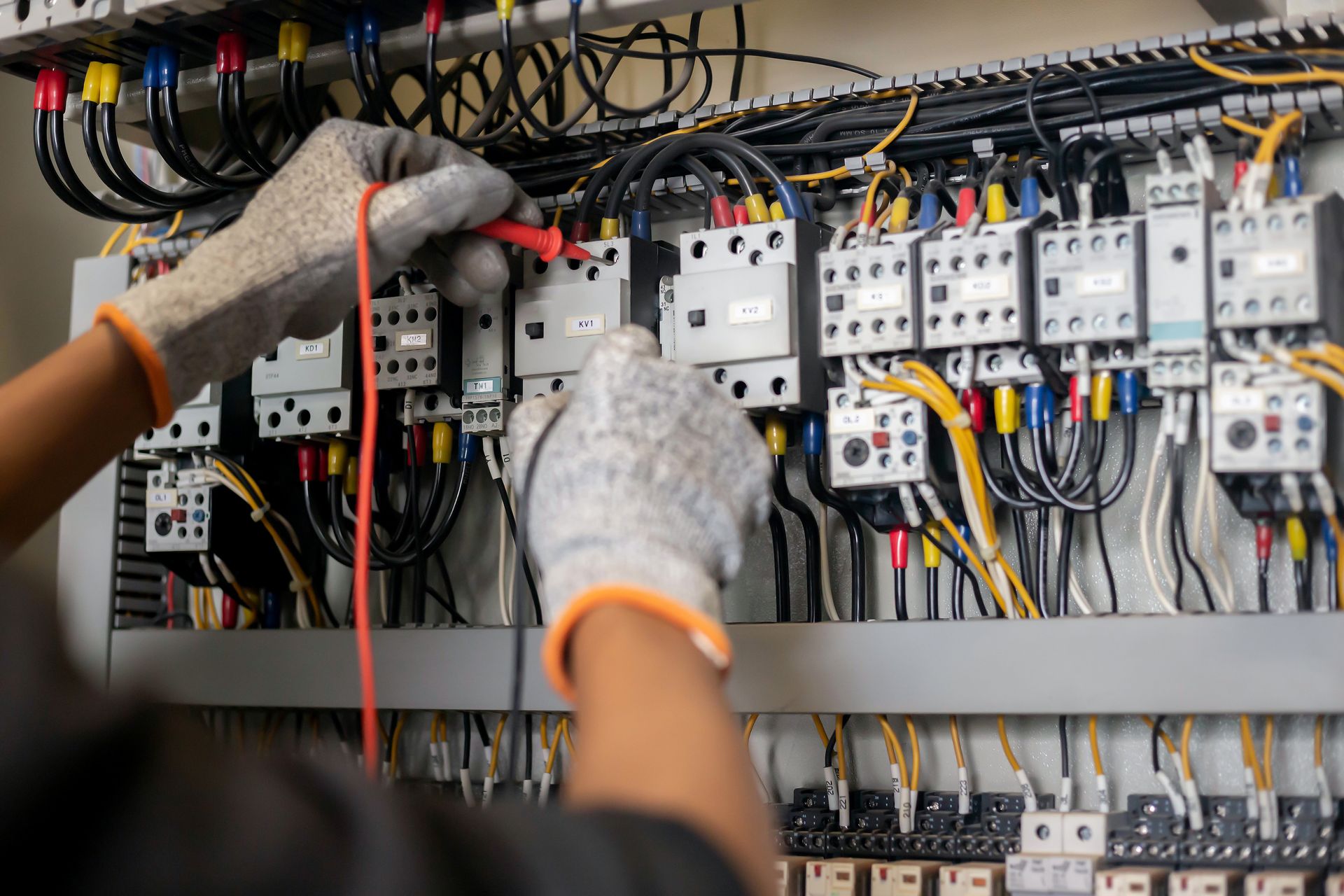
- Industrial: Works with large motors, control panels, and process automation.
- Safety Requirements:
- Commercial: Standard safety and building codes.
- Industrial: Special rules for dangerous equipment, hazardous materials, and high voltage.
- Scheduling and Downtime:
- Commercial: Can often work after hours to avoid disrupting business.
- Industrial: Work is done during short shutdowns; delays can stop production and cost money.
- Common Equipment Used:
- Commercial: Panel boards, outlets, wiring, and basic lighting.
- Industrial: Transformers, switchgear, sensors, and custom controls.
- Documentation:
- Commercial: Basic permits, inspection reports, and system diagrams.
- Industrial: Detailed plans, machine wiring diagrams, safety logs, and testing results.
Why Does the Difference Matter?
Hiring the wrong electrical contractor can lead to higher costs, code violations, or even serious safety issues for your business or facility. For example, a contractor skilled in commercial electrical services might not have the special training or tools needed for complex industrial jobs, and the same is true in reverse. These differences can create unexpected delays, costly repairs, or safety hazards.
A knowledgeable electrical contractor understands the specific rules and challenges for your type of building. Their experience helps you avoid risky shortcuts or expensive mistakes and ensures your electrical system is safe, reliable, and up to code.
Questions to Ask an Electrical Contractor
To find the right electrical contractor for your needs, ask these key questions:
- Do you have the right licenses for my facility type?
- Are you insured to cover all possible accidents or damage?
- What kind of safety program do you follow?
- How quickly can you respond to emergencies or repairs?
- How much experience do you have with buildings like mine?
These questions will help you feel confident you’re choosing a qualified electrical contractor who understands the type of project you have.
Making the Right Choice for Your Project
Knowing the differences between commercial and industrial electrical contractor work is important for safety and the success of your project. Commercial services focus on everyday business needs, while industrial services take care of high-powered, complex machines in factories.
If you’re not sure what kind of specialist you need, it’s a good idea to ask about their experience and examples of past projects. Gathering this information helps you make the best choice for your business or facility.
Find the Right Electrical Contractor Today!
When you need a trusted electrical contractor for your project in Lincoln, NE, ABC Electric is here to help. Our team has years of experience in both commercial and industrial projects, and we always put safety and quality first. Contact ABC Electric today to talk to our experts and get the right solution for your business or plant!